
Control Where the Water Goes
Encapsulation Professionals installs interior and exterior drainage systems designed around where water enters, where it collects and where it can be safely discharged.
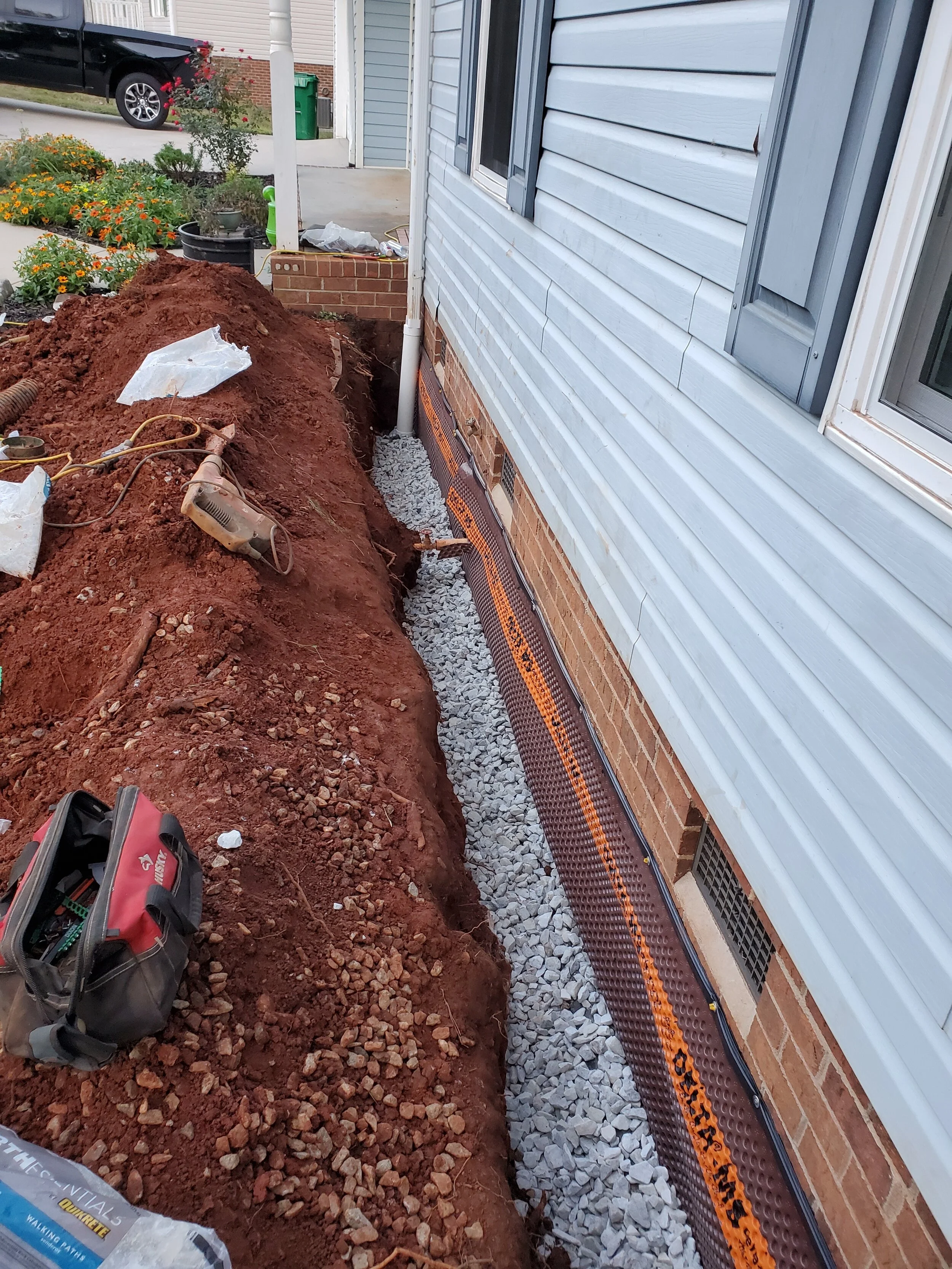
Not Every Water Problem Needs the Same Drain
A French drain works by giving unwanted water a controlled collection and drainage path.
The important part is determining where that path belongs. Water can enter beneath a crawl space, move through saturated soil beside a foundation, collect in a low yard area, run downhill from neighboring ground or concentrate beside the home from roof runoff.
We evaluate the water source, elevation, low points and available discharge before determining whether the property needs interior drainage, exterior drainage, a sump system or another solution.
Conditions We Evaluate
- Standing water beneath the home
- Wet or saturated crawl-space soil
- Foundation-wall water entry
- Pooling beside the foundation
- Low areas in the yard
- Hillside or neighboring runoff
- Downspouts draining near the structure
- Existing drain or sump failures
Three Different Jobs — Three Different Functions
Interior drainage, exterior drainage and sump systems can work together, but they do not perform the same job.
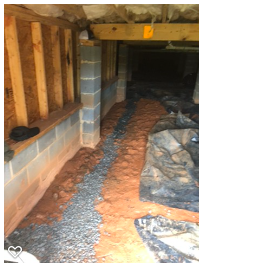
Interior French Drains
Perimeter or targeted drainage inside the crawl space can collect water entering along walls or through low soil areas and route it toward a discharge point or sump basin.
Interior French Drains →
Exterior French Drains
Exterior drainage can intercept water moving through soil before it continues pooling beside the home, foundation or other problem area.
Exterior French Drains →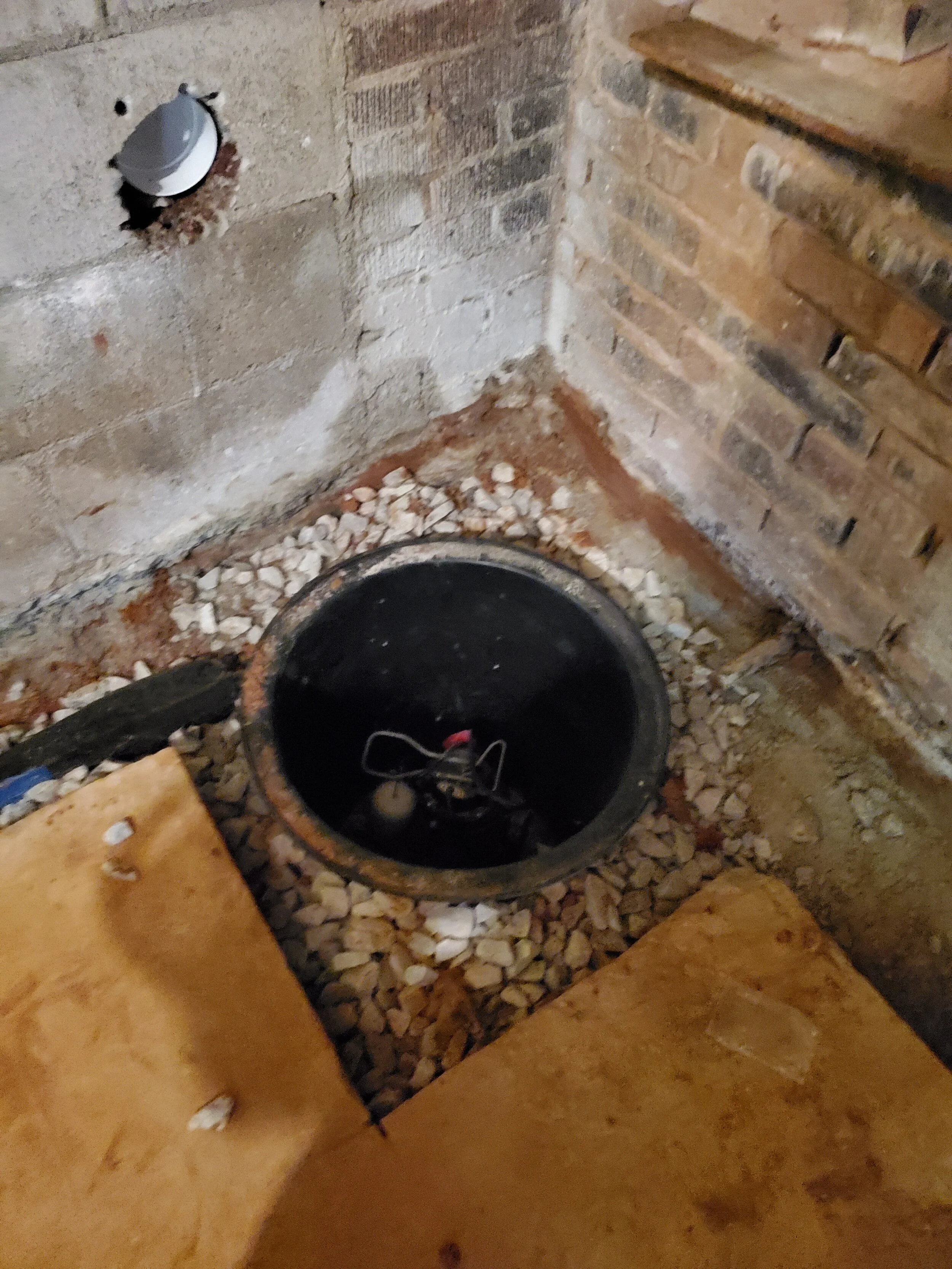
Sump Pump Integration
Where gravity drainage is not practical, a sump basin and pump can receive collected water and move it through solid discharge piping to an appropriate outlet.
Sump Systems →Identify the Water Path Before Building the Drain
The location of the water often tells us more than simply knowing the crawl space or yard is wet.
Low Crawl-Space Areas
Interior elevation changes can cause water to collect in predictable low areas beneath the home.
Foundation Seepage
Saturated exterior soil can contribute to water entering along foundation walls or adjacent soil.
Poor Yard Drainage
Low areas or inadequate grading can allow rainwater to remain near the structure.
Hillside Runoff
Water arriving from higher surrounding ground may need to be intercepted before it reaches the home.
Roof Water
Downspouts terminating too close to the home can concentrate substantial amounts of water near the foundation.
Existing Drain Failure
Older drains may become clogged, damaged, disconnected or lose an effective discharge route.
Collect Water Inside the Crawl Space
Interior French drainage is commonly used when water enters along the inside perimeter of the foundation or repeatedly collects in defined low areas beneath the home.
A typical system may include an excavated trench, perforated drain pipe, drainage aggregate and filter fabric. The drain can then route collected water toward gravity discharge or a sump basin depending on the property.
- Perimeter or targeted trench layout
- Perforated drainage pipe
- Clean drainage aggregate
- Filter fabric where specified
- Connection to sump or suitable discharge
Intercept Water Before It Reaches the Problem Area
Exterior French drains are installed where subsurface water repeatedly moves through saturated soil beside a foundation, across a yard or through another defined drainage path.
Location, depth, slope and discharge should be designed around the actual property rather than using the same trench configuration everywhere.
- Yard and foundation drainage
- Hillside runoff interception
- Subsurface water collection
- Gravity drainage where elevation allows
- Integration with waterproofing where appropriate
A Pump Works Best When the Water Has a Path to the Basin
A sump pump alone does not necessarily solve a crawl-space drainage problem. The system should first provide a controlled route for water to reach the basin.
Depending on the project, an interior drain may feed the basin before the pump moves the collected water through solid discharge piping away from the structure.
- Sump basin installation
- Submersible sump pump
- Drain connection to basin
- Solid discharge piping
- Discharge routed to an appropriate location
A French Drain Is More Than Buried Pipe
The collection path, aggregate, pipe, slope and discharge all have to work together.
Excavated Trench
Positioned according to the water path, site conditions and intended discharge.
Perforated Pipe
Allows surrounding water to enter the drainage system and move toward the outlet.
Drainage Stone
Creates open space around the pipe so water can move through the drainage assembly.
Filter Fabric
Used where specified to help separate surrounding soil from the stone and drainage pipe.
Slope
Gravity-drain systems require an appropriate fall toward the selected discharge point.
Discharge
Every drainage system ultimately needs somewhere appropriate for the collected water to go.
Design the Drain Around the Water
Evaluate
Identify where water enters, where it collects and how elevation affects its movement.
Choose the Route
Determine where drainage should collect the water and the most practical path toward discharge.
Build the System
Install the specified trench, pipe, aggregate, basin, pump or other water-management components.
Discharge & Finish
Route collected water to the selected outlet and complete the specified surface or crawl-space finish.
The Correct Solution Depends on Where the Water Is Moving
Water Under the Home
Interior drainage and sump integration may be appropriate when water repeatedly enters or collects inside the crawl space.
Water Beside the Foundation
Exterior drainage, grading, downspout improvements, waterproofing or a combination may be appropriate depending on the source.
Water Across the Yard
Exterior French drainage or other surface and subsurface drainage may be used to intercept a defined water path.
French Drain Pipe and Downspout Pipe Do Different Jobs
Collects Water From Surrounding Soil
French drains generally use perforated pipe and drainage stone so subsurface water can enter the system along the length of the trench.
Carries Concentrated Roof Water
Downspout drainage generally uses solid pipe because its job is to transport roof runoff away without intentionally collecting surrounding groundwater.
Drainage Controls Water — It Does Not Make a Property Immune to Water
A drainage system is designed around conditions that can reasonably be identified at the time of evaluation.
Rainfall intensity, changing grades, neighboring runoff, landscaping, soil movement, blocked outlets, plumbing failures and other conditions can change how water moves around a property over time.
For that reason, we define the drainage work being installed rather than promising that every possible future source of water has been permanently eliminated.
Written Coverage Based on the Work Installed
Qualifying drainage projects may include written workmanship coverage when identified in the project documents. Coverage depends on the specific installation, conditions, maintenance requirements and written warranty terms.
French drain, sump pump and standalone drainage work does not automatically receive the 40-Year Transferable Limited System Warranty. That warranty is reserved for qualifying premium encapsulation systems when specifically identified in the written warranty documentation.
View Warranty InformationFrench Drain & Water Management Service Area
Serving homeowners throughout Greenville, Spartanburg, Anderson, Pickens, Greenwood and surrounding Upstate South Carolina communities.
Not Sure Where the Water Is Coming From?
We can evaluate the crawl space, foundation, drainage path and available discharge options and build the scope around what the property actually needs.