
Waterproofing Starts With Finding Where the Water Is Coming From
Encapsulation Professionals provides exterior foundation waterproofing, interior drainage and crawl-space water-management systems designed around the actual source and path of the water.
Water Inside Does Not Always Mean the Same Problem Outside
Waterproofing works best when the source, path and discharge of the water are considered together.
Water visible in a crawl space or basement may be associated with saturated exterior soil, poor grading, roof runoff, foundation cracks or joints, groundwater, interior low points or failed drainage.
The correct scope may involve exterior foundation waterproofing, interior drainage, a sump system, French drains, downspout drainage or a combination of systems.
Conditions We Evaluate
- Water appearing along foundation walls
- Standing water in crawl spaces
- Wet or saturated soil beside the home
- Foundation cracks, joints and penetrations
- Poor grading toward the structure
- Roof runoff and downspout discharge
- Existing drainage systems
- Available gravity or pumped discharge
Several Conditions Can Create the Same Wet Wall
The visible leak is often only the final point in the water path.
Roof Runoff
Downspouts releasing concentrated roof water beside the home can repeatedly saturate soil along the foundation.
Surface Grading
Low areas or ground pitched toward the structure can direct rainfall toward the foundation.
Saturated Soil
Soil that remains wet beside the foundation can create repeated moisture exposure after rainfall.
Cracks & Joints
Foundation cracks, joints and penetrations can provide locations where exterior water becomes visible inside.
Failed Existing Systems
Older coatings, drains and previous waterproofing materials can deteriorate or become damaged.
Interior Low Points
Water entering a crawl space can travel across soil or flooring before collecting in a different location.
Exterior Treatment and Interior Water Management Solve Different Problems
One treats the outside face of the foundation. The other manages water after it reaches the interior side.
Exterior Foundation Waterproofing
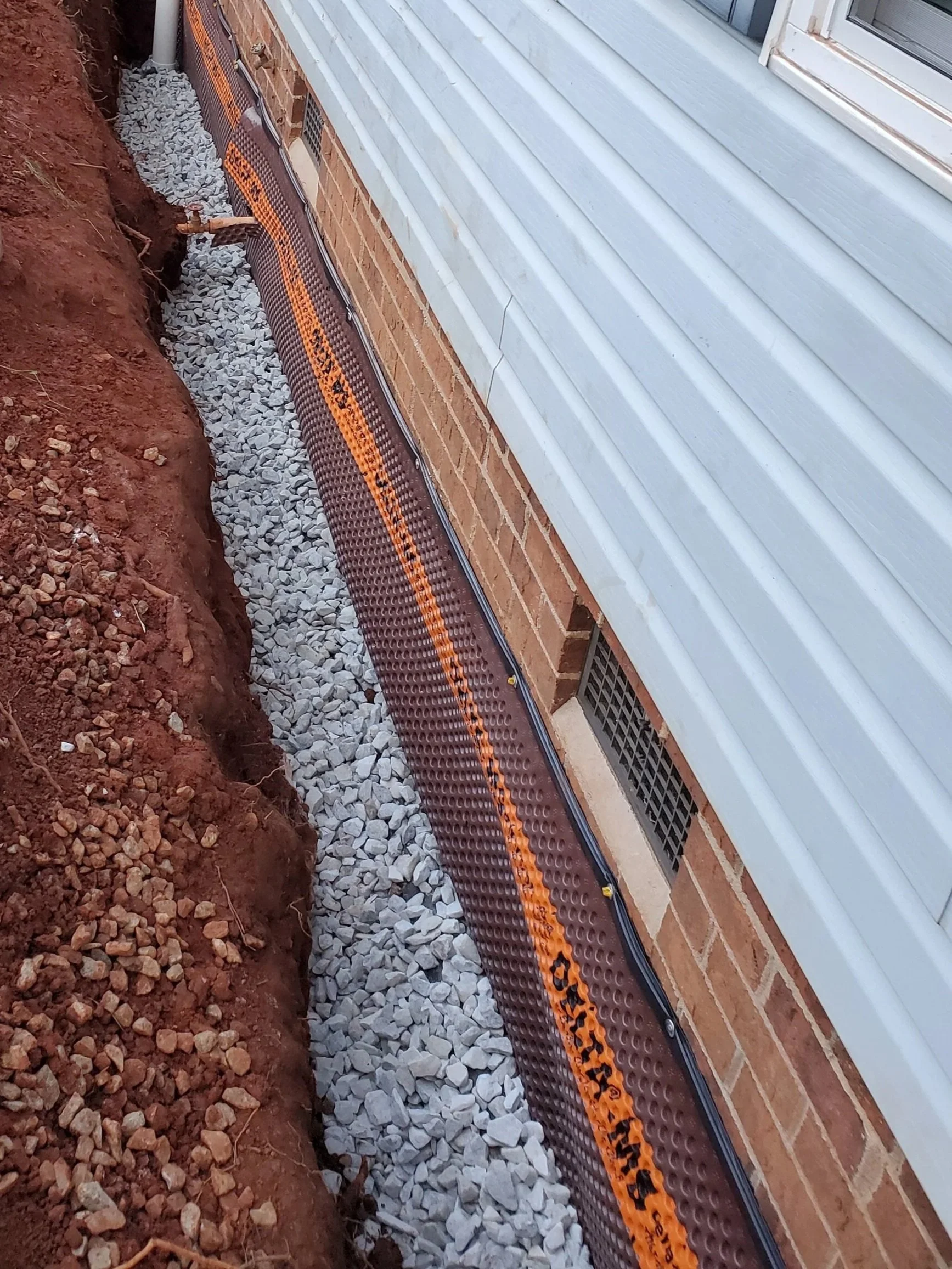
Exterior waterproofing exposes the accessible outside foundation surface so it can be prepared and treated before soil is returned.
- Foundation excavation
- Accessible wall preparation
- Waterproof membrane or coating
- Crack and joint detailing where specified
- Drainage or protection board where appropriate
- Exterior drainage integration when required
Interior Water Management
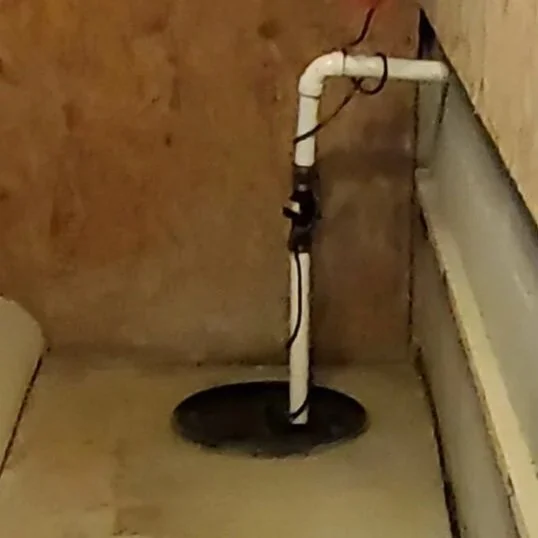
Interior systems collect and manage water from inside the crawl space or basement when exterior treatment is unnecessary, impractical or only part of the solution.
- Interior French drainage
- Sump basin and pump
- Controlled discharge piping
- Vapor barrier where specified
- Dehumidification where appropriate
- Integration with encapsulation systems
Treat the Foundation Surface From the Outside
Exterior waterproofing may be appropriate when repeated water exposure is occurring against an accessible foundation wall.
The work typically requires excavation to expose the affected wall, preparation of the accessible surface, treatment of specified joints or cracks and application of the selected waterproofing material.
Drainage or protective components may also be installed before the excavation is backfilled and the affected grade is restored.
- Excavation to accessible foundation depth
- Surface preparation
- Compatible waterproofing membrane
- Drainage or protection board where specified
- Exterior French drain where required
- Backfill and grading according to project scope
Collect Water and Give It a Controlled Path Out
When recurring water enters a crawl space, an interior drainage system can collect water along the perimeter or other defined low areas and move it toward an appropriate discharge point.
If gravity drainage is not practical, the system may feed a sump basin and pump before discharging through solid piping away from the structure.
Interior drainage can also be incorporated into a larger crawl-space encapsulation system when both liquid water and humidity need to be addressed.
Learn About Interior Water Management →Waterproofing Is Often More Than One Product
The correct project can combine several components depending on how water reaches and moves around the structure.
Waterproof Membrane
Applied to a prepared exterior foundation surface where waterproofing is included in the project scope.
Drainage Board
Drainage or protection board can be installed where appropriate to protect the waterproofed wall and manage water movement.
French Drainage
Perforated drainage systems can collect water from surrounding soil and route it toward an appropriate outlet.
Sump System
A sump basin and pump can move collected water where gravity discharge is not available.
Downspout Drainage
Solid-pipe drainage can move concentrated roof runoff farther away from the foundation.
Crawl Space Encapsulation
After liquid water is addressed, encapsulation can help control ground moisture and crawl-space humidity.
Determine the Water Path Before Selecting the System
Inspect
Evaluate where water appears, exterior conditions, drainage, grading and access.
Identify the Source
Determine the likely water path and whether exterior, interior or combined treatment is appropriate.
Build the Scope
Define the waterproofing, drainage, sump or moisture-control components required for the project.
Install & Finish
Complete the agreed system and restore affected surfaces according to the written scope.
Where the Water Comes From Matters
Water Against One Exterior Wall
Exterior waterproofing and drainage may be appropriate when repeated saturation is occurring directly against an accessible foundation wall.
Water Collecting Inside
Interior French drainage and sump integration may be appropriate where recurring water enters or collects beneath the structure.
Multiple Water Sources
Some properties require a combination of grading, downspout drainage, exterior waterproofing, interior drainage and moisture control.
Waterproofing Is Property-Specific Water Management
A Proper System Can Address
- Repeated exterior foundation exposure
- Known water-entry locations
- Interior drainage pathways
- Crawl-space standing water
- Roof-water discharge near the foundation
- Drainage and sump integration
No System Makes a Property Immune to Water
Waterproofing does not prevent every possible future source of water.
Extreme rainfall, plumbing failures, changing grades, blocked drainage, neighboring runoff, soil movement or conditions outside the completed scope can change how water moves around a property.
Written Coverage Based on the Work Installed
Qualifying waterproofing projects may include written workmanship or system coverage when specifically identified in the project and warranty documents.
Warranty duration, covered components, limitations and exclusions depend on the specific materials and project scope. Manufacturer warranties remain separate where applicable.
View Warranty InformationImportant Warranty Distinction
Standalone waterproofing, drainage and sump-pump work does not automatically receive the 40-Year Transferable Limited System Warranty.
That warranty applies only to qualifying premium encapsulation systems when specifically identified in the written warranty documentation.
Foundation Waterproofing Service Area
Encapsulation Professionals serves homeowners throughout Greenville, Spartanburg, Anderson, Pickens, Greenwood and surrounding Upstate South Carolina communities.
Water Reaching Your Crawl Space or Foundation?
We can evaluate where the water is appearing, the exterior conditions, drainage, grading and available discharge options and determine whether exterior waterproofing, interior water management or a combination of systems makes sense.