
Crawl Space Wood Repair & Carpentry in Upstate South Carolina
Moisture problems underneath a home can eventually affect more than insulation and vapor barriers. When appropriate wood components become deteriorated or damaged, Encapsulation Professionals can evaluate the condition, identify the moisture source and develop a clear crawl-space carpentry scope.
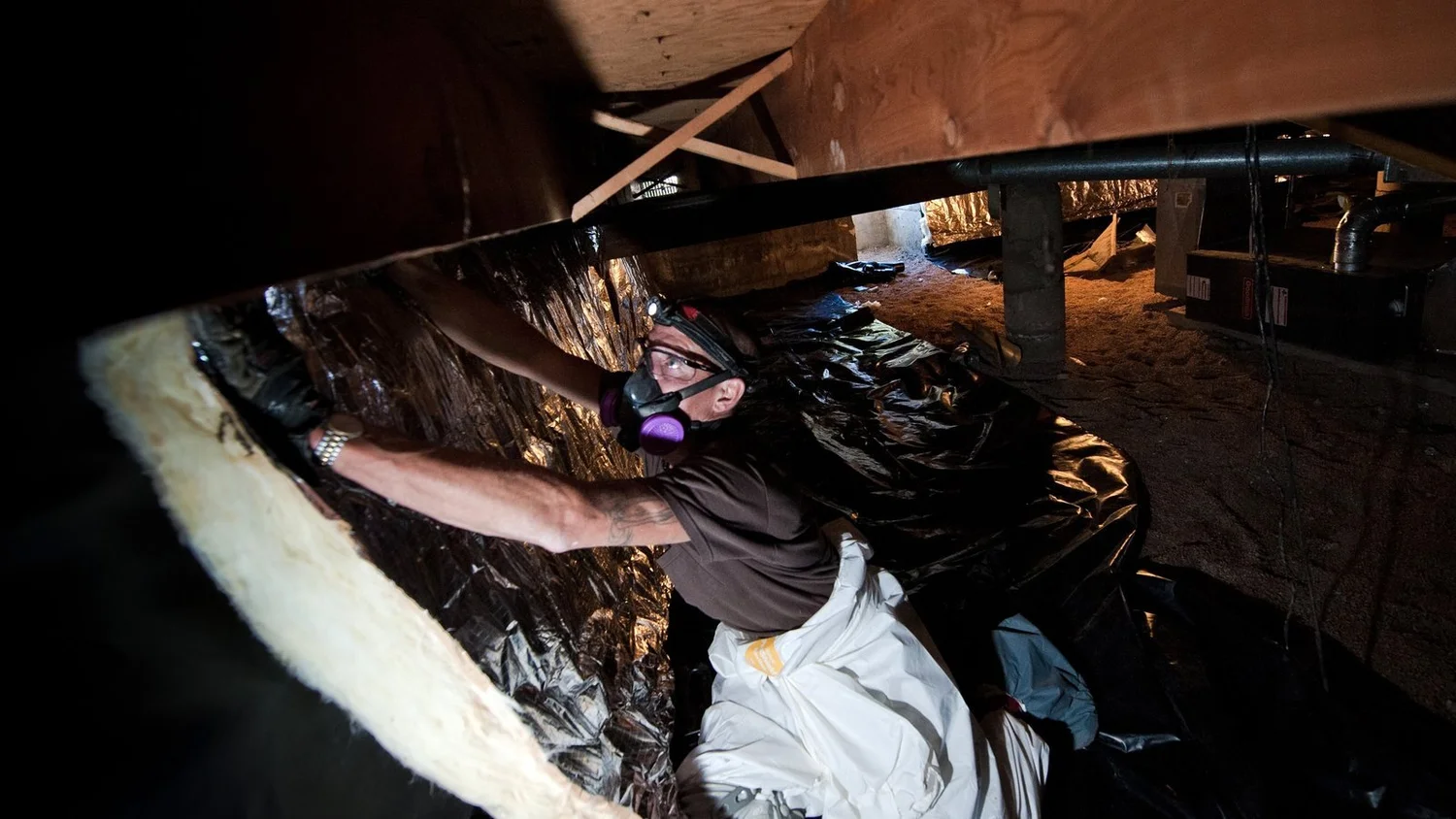
Moisture Can Eventually Affect the Wood Above It
Long-term damp conditions, plumbing leaks, standing water and elevated humidity can contribute to deterioration of wood components beneath a home. The correct approach is not simply replacing lumber. The condition of the wood and the moisture source should be evaluated together.
Replacing deteriorated wood while leaving a crawl space wet can leave the same conditions in place around the new material. Our crawl-space approach starts with the complete environment beneath the home.
Wood Problems We Can Evaluate
The repair scope depends on the component involved, the amount of deterioration and whether additional structural evaluation or permitting is appropriate.
Localized Damaged Wood
Evaluation and appropriate repair of localized wood deterioration found within the crawl space.
Blocking & General Carpentry
Installation or repair of appropriate blocking and general crawl-space carpentry components.
Access Openings & Doors
Carpentry associated with deteriorated or poorly configured crawl-space access areas.
Framing Condition Evaluation
Visual evaluation of accessible framing to determine the appropriate repair path and whether additional expertise is needed.
Moisture-Damaged Areas
Repair planning for appropriate wood components affected by long-term crawl-space moisture conditions.
Carpentry During Crawl-Space Projects
Appropriate wood repairs can be incorporated into a larger encapsulation, moisture-control or insulation project.
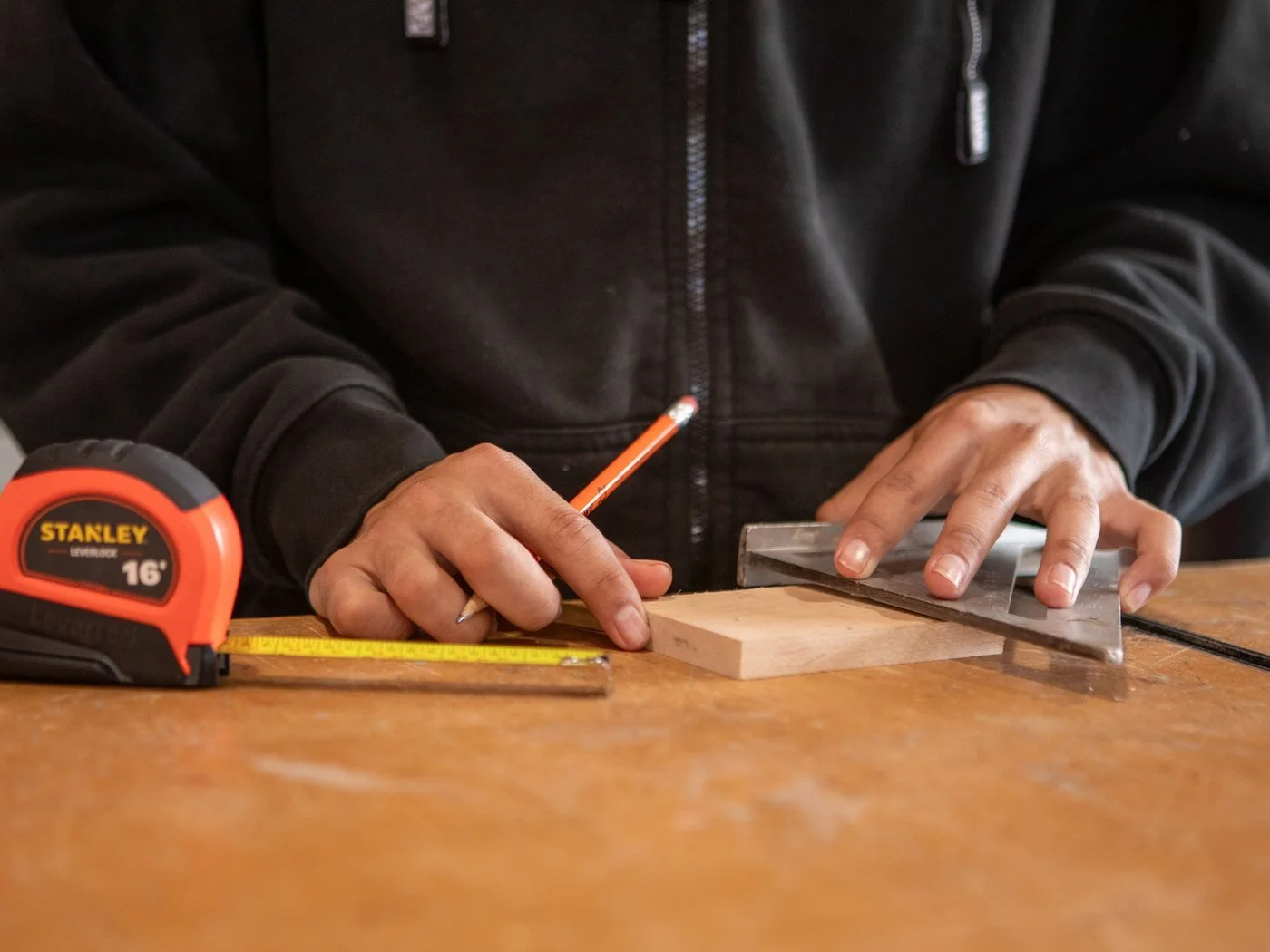
Signs of Possible Wood Damage Under Your Home
Some damage is discovered during a crawl-space inspection or moisture-control project before the homeowner knows it exists.
- Soft, deteriorated or visibly damaged wood
- Dark staining or long-term moisture marks
- Visible cracking or splitting in accessible components
- Evidence of previous plumbing leaks
- Persistent crawl-space humidity or condensation
- Wood exposed after damaged insulation is removed
- Fungal growth or staining on framing surfaces
- Previous insect or termite damage requiring further evaluation
Damage → Cause → Repair → Protection
Crawl-space wood repair makes more sense when the carpentry and moisture conditions are treated as parts of the same project.
What Causes Crawl Space Wood to Deteriorate?
Wood damage underneath a home can have several causes, and more than one may be present at the same time.
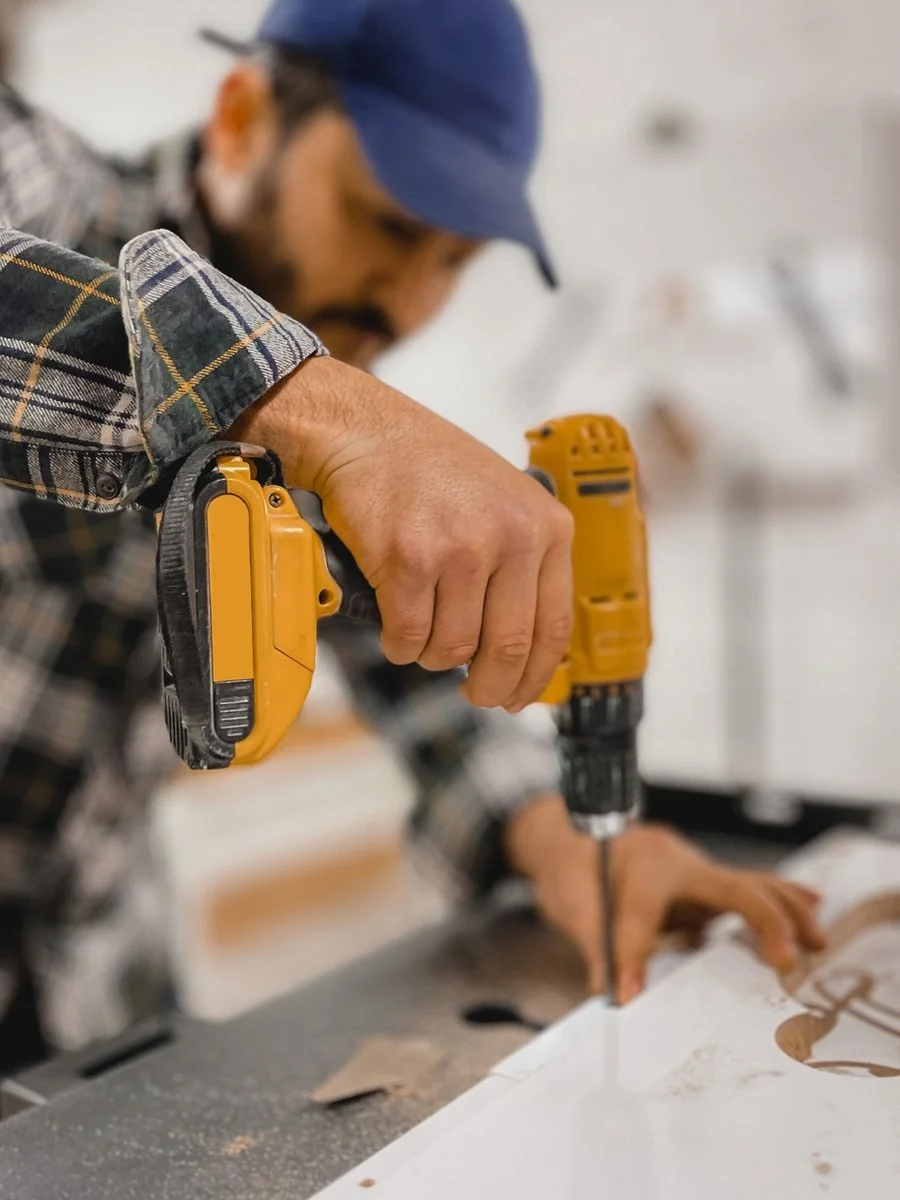
Crawl Space Carpentry Is Not the Same as Foundation Repair
Wood problems range from straightforward localized carpentry to conditions involving major load-bearing systems or foundation movement. Those situations should not all be treated the same way.
Not Every Wood Problem Has the Same Repair Path
Some crawl-space wood conditions can be addressed through appropriate carpentry work. More extensive conditions involving major support-system modifications, foundation movement, engineering requirements or work outside the applicable trade scope may require permits, engineering or another appropriately qualified professional. We evaluate the visible condition first and define the appropriate next step.
Wood Repair Often Goes Hand in Hand With Moisture Control
When damaged wood is discovered during another crawl-space project, addressing the related conditions at the same time can create a more complete scope.
Crawl Space Encapsulation
Control exposed ground moisture and create a more controlled crawl-space environment.
Request Evaluation →Mold & Surface Treatment
Address affected accessible surfaces while correcting the moisture conditions contributing to the problem.
Learn About Mold Treatment →Drainage & Water Management
Manage recurring bulk water before relying on a liner or dehumidifier to control the environment.
Learn About Standing Water →Crawl Space Insulation
Remove or replace damaged insulation when it is part of the overall crawl-space project.
Request Evaluation →Vapor Protection
Separate the crawl space from moisture continually released by exposed soil.
Request Evaluation →Dehumidification
Maintain more controlled humidity after the major moisture sources have been addressed.
Request Evaluation →Crawl Space Carpentry Across Our Service Area
Encapsulation Professionals serves homeowners throughout our Upstate South Carolina crawl-space service area.
Crawl Space Wood Repair FAQs
Can damaged crawl space wood be repaired?
Many localized wood conditions can be repaired, but the correct method depends on which component is affected and the extent of deterioration. More extensive conditions may require additional structural evaluation.
Should damaged wood be repaired before encapsulation?
When damaged wood is identified, it is generally preferable to define the necessary repair scope before the final encapsulation system makes access more difficult.
Does encapsulation repair damaged wood?
No. Encapsulation helps control crawl-space moisture sources, but existing physical wood damage still needs to be evaluated separately.
Can high crawl space humidity damage wood?
Persistent elevated moisture can create conditions that contribute to wood deterioration and fungal growth. The underlying moisture conditions should be addressed along with any necessary carpentry.
Can mold treatment and wood repair be completed together?
Depending on the condition, surface treatment, moisture correction and appropriate carpentry can be incorporated into the same overall crawl-space project.
Do you perform major structural or foundation repairs?
We evaluate the crawl-space condition first. Work involving engineering, foundation stabilization, significant support modifications or work outside the applicable trade scope may require another appropriately qualified professional.
What should I do if I discover rotten wood under my house?
The first step is determining how much wood is affected and why the area became wet. That allows the carpentry repair and moisture-control recommendations to be developed together.
Found Damaged Wood in Your Crawl Space?
We can evaluate the visible wood damage, determine whether moisture conditions are contributing to the problem and build an appropriate crawl-space repair scope.